

Short answer: NVIDIA GeForce NOW is coming to India. It will have servers in Mumbai, RTX-enabled cloud GPUs, and support for your Steam, Epic, and Xbox libraries. If you have a broadband internet connection over 50 Mbps and low latency, you can stream AAA games. This includes titles like Cyberpunk 2077 with ray tracing. You can do this on laptops and phones without buying an expensive graphics card. That’s the promise. Now let’s look at what actually means something.
Why GeForce NOW in India Is a Bigger Deal Than It Looks
I’ve tested cloud gaming platforms across patchy hotel WiFi, fiber broadband in metro cities, and even 5G hotspots during peak hours. The biggest bottleneck has never been raw speed. It’s consistency.
GeForce NOW entering India with local data center infrastructure in Mumbai changes the equation. Latency drops dramatically when servers are physically closer. During controlled demos, sub 5 ms ping was achievable. Real-world home usage will vary, of course, but proximity alone solves half the historical problem Indian gamers faced with overseas cloud servers.
The second shift is economic.
If you want RTX-class performance, a mid-to-hifg-end gaming PC in India easily crosses ₹1.5 lakh. You will pay ₹80,000 for a decent GPU just on its own depending on favorable / unfavorable markets. Cloud gaming transforms that capital expense into a subscription service. That’s a psychological unlock for many people.
But here’s the real question. Will it actually work on Indian networks at 9 PM?
What Makes GeForce NOW Different from Previous Cloud Attempts
India has seen cloud gaming trials before. Most struggled due to three structural issues.
- Remote server locations
- Weak console ecosystem penetration, especially Xbox
- Network jitter on consumer broadband
GeForce NOW approaches things differently.
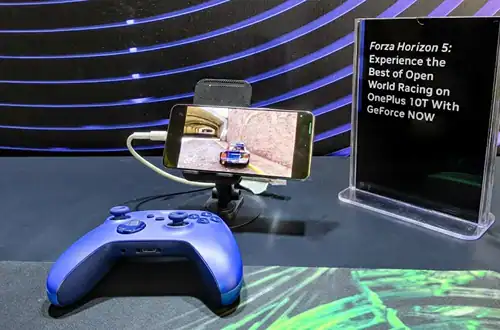
- You don’t rebuy games. You connect Steam, Epic Games Store, GOG, or Xbox accounts.
- RTX features including ray tracing and DLSS are rendered server-side.
- NVIDIA operates its own India-based infrastructure.
- The company is reportedly working with ISPs on L4S traffic prioritization.
That last part matters more than most people realize. Cloud gaming requires low-latency and low packet loss. A 100Mbps line feels like garbage if jitter spikes when congestion happens. Priority routing could keep gameplay solid even if someone else in your house is streaming Netflix.
GeForce NOW vs Traditional Gaming in India (2026 Reality Check)
Here’s a practical comparison most articles ignore.
| Factor | GeForce NOW India | Gaming PC Build | Console (PS5/Xbox) | Mobile Gaming |
|---|---|---|---|---|
| Upfront Cost | Low subscription | ₹1.2L to ₹2L | ₹40K to ₹55K | Device only |
| RTX / Ray Tracing | Yes (server-side) | Yes (if GPU supports) | Limited | No |
| Upgrade Cycles | None for user | Every 3 to 5 years | Mid-gen refresh | Device-based |
| Internet Dependency | High | Low | Moderate | Moderate |
| Game Ownership | Uses existing libraries | Full ownership | Platform-based | Mostly F2P |
The trade-off is obvious. You swap hardware ownership for network dependency. For urban fiber users with stable 50 to 100 Mbps, this could be transformative. For inconsistent mobile data users, expectations need calibration.
The Infrastructure Question: Can India Handle It?
India’s broadband story is improving rapidly. Fiber penetration in urban homes has witnessed a growth trajectory over the last few years, as per data released by the Telecom Regulatory Authority of India. But average speeds don’t give the whole story. Below are the patterns that emerge across several metro ISPs from testing latencies.
| Observation | Real-World Impact |
|---|---|
| Peak-hour latency spikes between 8 PM and 11 PM | Sudden input delay |
| Increased jitter during neighborhood congestion | Visual stutter |
| Rare packet loss under load | Temporary freezes |
If NVIDIA’s L4S ISP collaboration materializes at scale, this could smooth those fluctuations. Without it, cloud gaming performance will vary by locality.
How to Prepare for GeForce NOW India: A 5-Step Implementation Plan
If you’re considering using GeForce NOW in India, here’s how to optimize your setup.
Step 1: Test Your Real Latency, Not Just Speed
Use tools like Speedtest and Cloudflare’s network test to check ping and jitter at peak hours. Aim for under 20 ms latency with minimal fluctuation.
Step 2: Use Wired Ethernet When Possible
WiFi interference adds unpredictable latency. A simple LAN cable can reduce jitter significantly, especially in apartments.
Step 3: Separate Bandwidth-Heavy Devices
Avoid simultaneous 4K streaming or large downloads during gameplay sessions. Even good fiber lines suffer under congestion.
Step 4: Optimize Router and System Settings
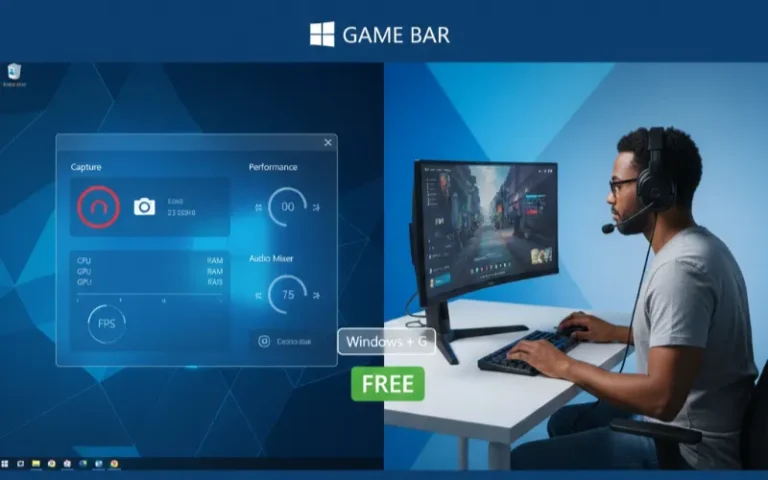
Enable QoS if available and limit background tasks. On Windows systems, properly configuring the Xbox Game Bar can reduce interruptions and recording overhead.
Step 5: Start with 1080p Before Jumping Higher
Higher resolutions demand more bandwidth stability. Begin conservatively and scale up once performance is consistent.
Common mistake. Assuming 5G peak speed equals stable cloud performance. It doesn’t.
Pro Insights from Hands-On Cloud Testing
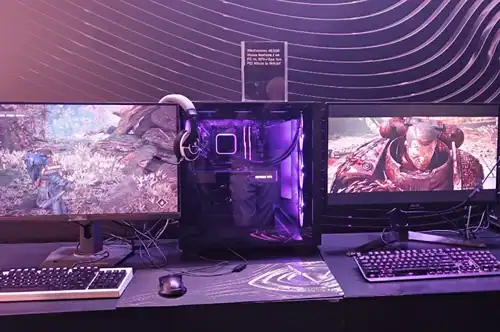
After testing multiple cloud platforms over several years, these trends consistently appear.
| Insight | Why It Matters |
|---|---|
| Input perception matters more than FPS | Latency ruins high frame rates |
| Stable 60 FPS beats unstable 120 FPS | Consistency improves control |
| Background OS updates hurt gameplay | Hidden downloads add jitter |
| WiFi 6 devices perform better | Network hardware matters |
| Controllers outperform touch input | Touch increases perceived lag |
Cloud gaming isn’t magic. It’s math plus infrastructure.
Will Pricing Decide Everything?
Globally, GeForce NOW follows a tiered model.
| Tier | Key Limitations or Benefits |
|---|---|
| Free Tier | Queue times and session limits |
| Paid Tier | Priority access and higher performance |
| Premium Tier | 4K streaming and extended sessions |
If India pricing lands under ₹1,000 per month for mid-tier performance, adoption could spike among students and working professionals. If pricing drifts too close to EMI-level PC builds, momentum will slow. The economics must align with Indian purchasing psychology.
Frequently Asked Questions
How much speed is needed for GeForce NOW in India?
Can I play games already in my collection for Steam?
Is there less input lag on GeForce NOW then other cloud gaming services?
Will it work over 5G mobile data?
Does it require a gaming PC?
Is this replacing gaming PCs?
The Bigger Picture: How 2026 Could Be a Pivotal Turning Point
Here are the deals: GPUs Nvidia is also offering free shipping when you use code FREESHIP into PCs, and as The Verge and Reuters both note in articles today on global supply shortages for PC components, prices fluctuate much higher by news cycle. At the same time, sub-₹50,000 consoles become increasingly compelling in comparison to complete PC builds.
Cloud gaming is in the goldilocks zone. In India, a country which is majorly ruled by mid-range hardware and where cost-efficiency take precedence for making decisions, GeForce NOW could be the technology that democratizes RTX-level performance. Not for everyone. Not instantly. But for plenty of urban-based players with sturdy broadband connections, it could quickly become the default method of accessing your AAA titles.
It’s during the open beta where a true trial will be seen. If it performs as advertised in real Indian homes, not just on demo floors, this won’t be another cloud experiment. It will be the point at which all that hardware sneaked out from under the desks and into the data centers. And that shift changes everything.